It was another session as part of counselor training and one I thought I understood: Children of divorce. The instructor was a licensed and experienced counselor with in-depth knowledge of the real world impacts of how divorce affects children. What I learned surprised and even shocked me. We think about children and divorce impacts from our adult perspectives, but we need to understand how it can affect children from their perspective. This can help us more fully understand the impacts of our decisions on their lives, and understand what they may be going through as a result of a divorce.

Emotional reactions children have to divorce: Some reactions are what you might expect with sadness, denial, embarrassment, or anger. Children also have concerns about being cared for (even in affluent families), worry about maturity that is foisted upon them that separates them from their peers, or may even have physical symptoms such stomach aches or headaches from the stress.
Fears children have that are common: Fear that the other parent would leave, fear they would never see the other parent again, fear that if the parents no longer love each other that they may not love them, and fear that any subsequent marriage later will also end in divorce.
Anger toward the parent who left, the parent who stayed, or a step parent is common. They may also feel guilt and think that if they somehow had done something different, maybe the divorce would not have happened.
So what is your reaction after reading this? My hope would be children never have to go through this, and if you are contemplating divorce that this may make you think. My second reaction is if they do, they will need help to navigate their way through it. Help and understanding from both parents, and help from a professional counselor for all involved to navigate to some form of wellness. I admit in my experience more professional help would have been better, before and after the divorce.
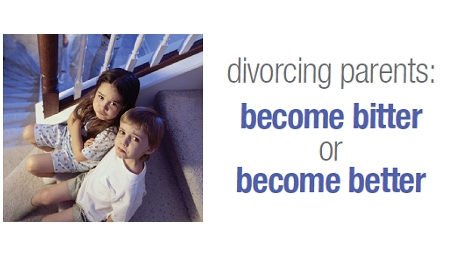
For the parents: Being divorced in no way removes the obligation of doing what is right for your children, even if you have to swallow your pride to do it. After divorce, virtually all children feel like they have to choose sides. As a parent, DO NOT: put pressure on the child to take sides, take away the child’s trust and respect for the other parent, make them feel used and not loved, teach them to manipulate and have bitterness instead of solving problems, or pressure them into telling lies because that is what they think you want to hear. Don’t complain about the other parent in front of the children, and don’t encourage the children to. Parents DO need to show their gentleness (not bitterness) through their actions, thought, and speech. This includes being financially supportive when needed or supporting the other parent to get visitation. Please be aware that how children handle visitation is a reflection of how the parents handle visitation. Visitation may create a struggle for the child as they may feel like an intruder in the other household, and there will be a “jet lag” affect as they adjust from one household to another.
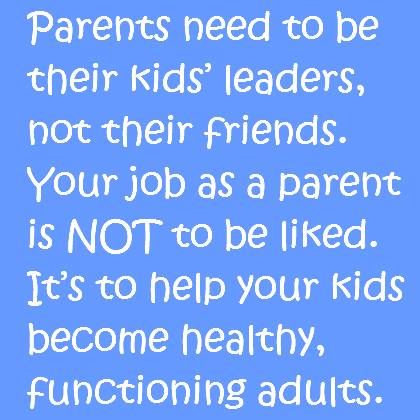
With divorce there will be changing roles that create an opportunity for the parents to fall into some bad habits. The most common one is that out of some form of guilt, parent-child boundaries get softened and there is less structure and discipline in the households. Adding fuel to this fire is there may be one parent at a time dealing with the children and the “being outnumbered” factor makes it easier to be more lax. Due to a parent dealing with divorce and stress there may also evolve a culture of a victim mentality that includes self-pity. There may be a divorce now, but they are still parents and should provide the structure, positive example, and the love their children need.
 enlightenmentforyou